

Programmes
Grouped by age, because a five-year-old and a thirty-year-old do not learn a martial art the same way.

First steps
At this age the art is taught in very short pieces: stand here, look there, hold this for three seconds. The technique is real Taekwondo, but the lesson underneath it is attention, balance and taking turns.
Ask us how grading works for this age group. It differs from school to school, and we’ll tell you exactly what to expect.
Forms and grading
This is where Taekwondo becomes a discipline rather than an activity. Students learn the Taegeuk forms in sequence and build genuine kicking technique.
In Taekwondo progress is measured, not assumed. Each belt is a graded test against a published syllabus. Ask us how sparring is introduced at this academy.
Teens & adults
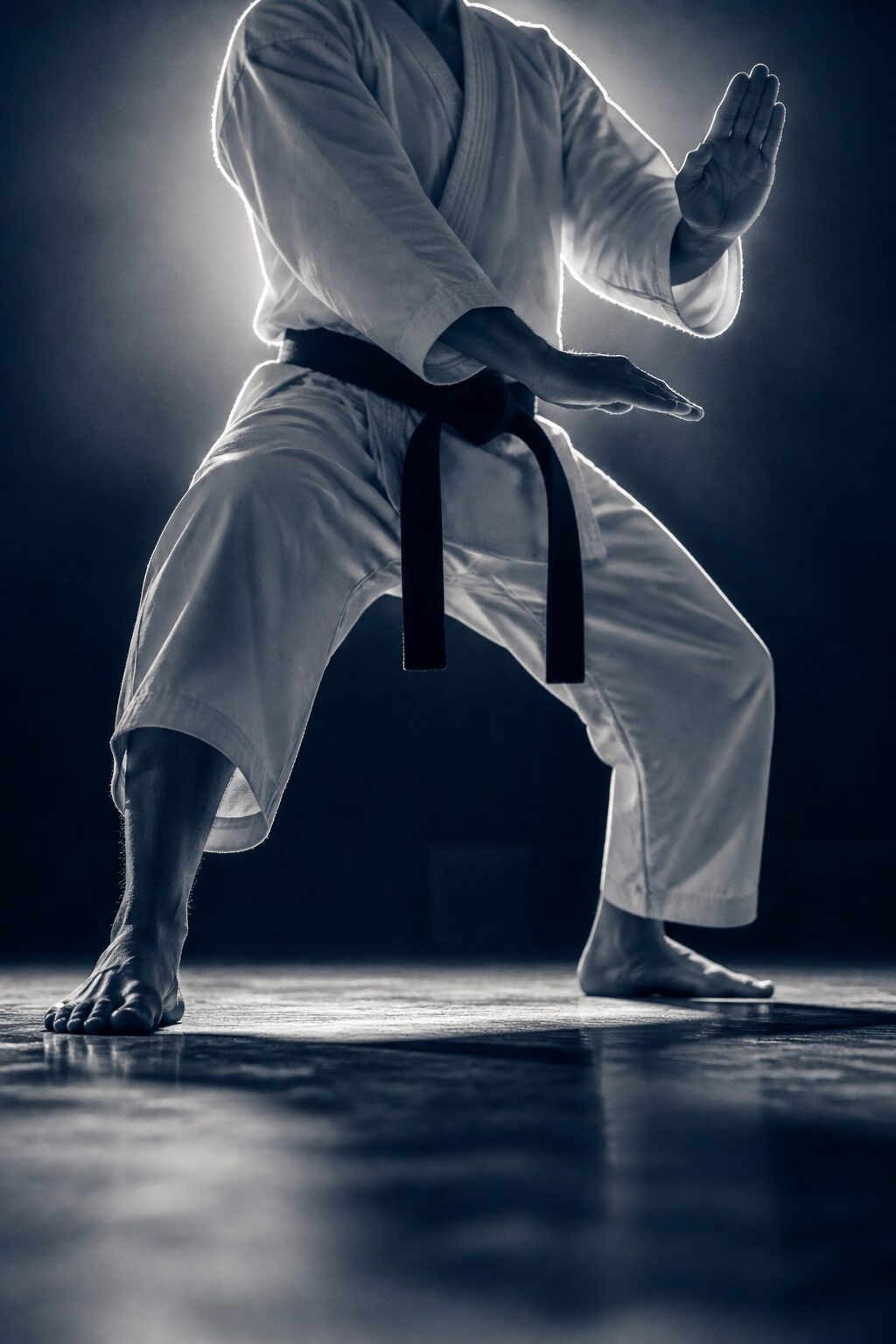
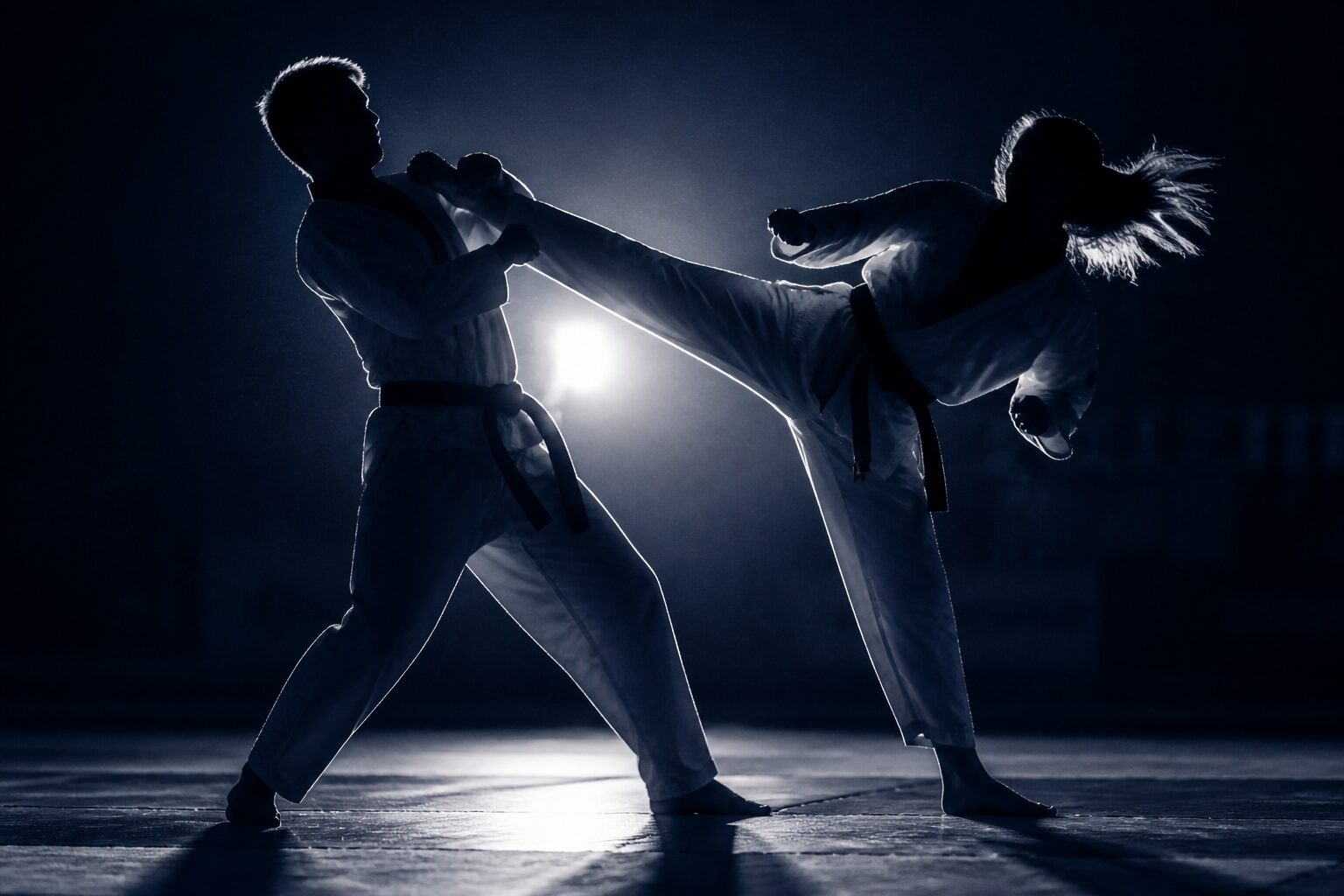
Adults come to Taekwondo for very different reasons: fitness, focus, self-defence, or finishing something they started as a child. The training is technical and physically honest, and beginners are normal here.
The grading path is the same one every student walks, at whatever pace the work allows.
What a Taekwondo class looks like
The usual shape of a session in the art. Ask us for this academy’s exact format and timings.
Warm-up
Mobility and footwork, the part that keeps kicks clean and ankles intact.
Basics
Stances, blocks and strikes drilled by count. The foundation every grading is built on.
Poomsae
The set forms for the student’s current belt, refined line by line.
Kicking
Pad work and kicking drills. Sparring is introduced by grade, ask us how.
Ask us for the current timetable, we’ll send the class times that match your age group.
Ask for class times